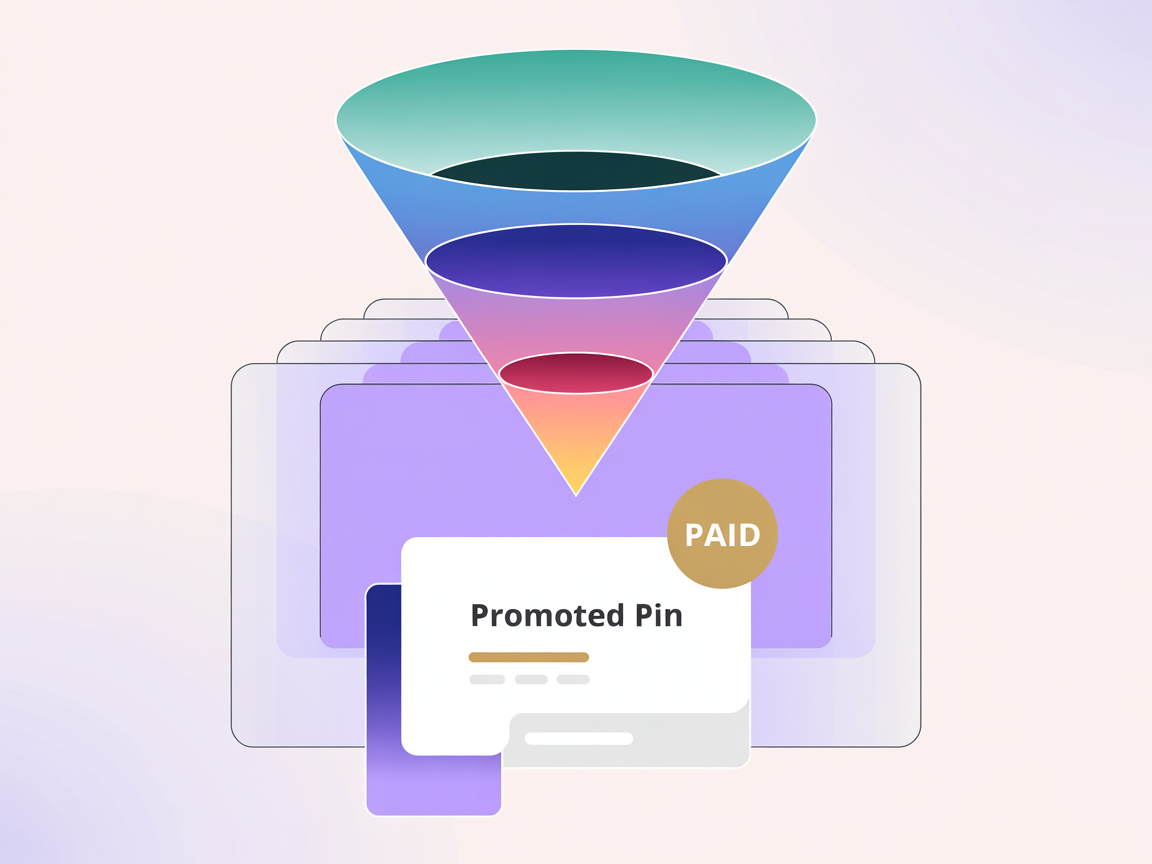
Pinterest Ad Formats Explained (and Which to Use When)
Standard, video, carousel, shopping, collections and idea ads — every Pinterest ad format explained in plain English, with when to use each for reach, clicks or sales.
By Mia Bennett · PinPinterest editorial team

Choosing the right Pinterest ad format is half the battle — the same budget can flop or fly depending on whether the format fits your goal.
The good news is there are only a handful, each with a clear job.
So let’s demystify every Pinterest ad format in plain English, and I’ll tell you exactly when to reach for each one.
The mental model: match the format to your objective.
Reach and awareness want motion; clicks and traffic want a clean, keyword-clear pin; sales want shoppable formats.
If you haven’t set your objective yet, start with the complete Pinterest ads guide — format follows objective, not the other way round.
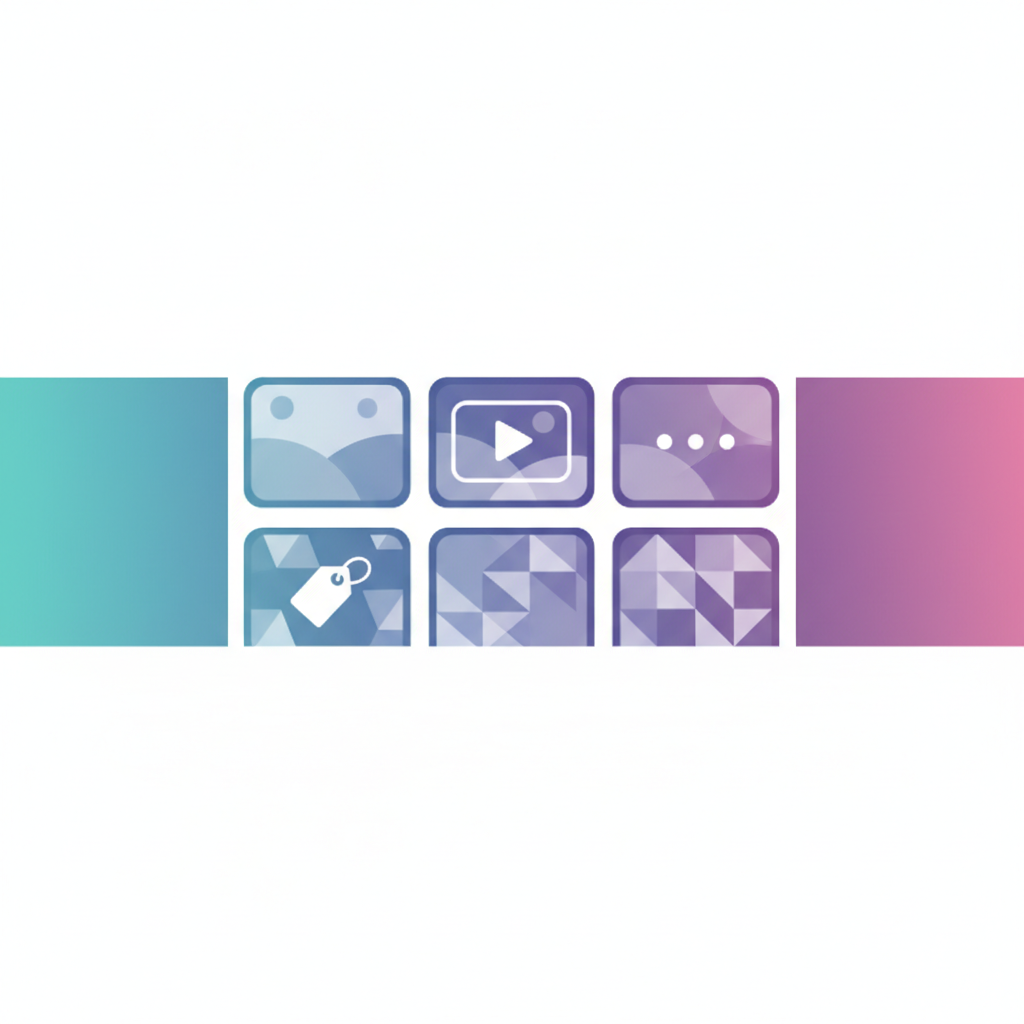
🖼️
Standard
🎬
Video
🎠
Carousel
🛍️
Shopping
🗂️
Collections
✨
Idea ads
Please don’t overthink this part
Before we go format by format, let me lower the stakes for you, because I know how this goes.
It’s so easy to get paralysed choosing the “perfect” format that you never actually run anything — I’ve watched people spend a fortnight agonising over video versus carousel and end up posting nothing at all.
Don’t be that person (I have been that person).
Ninety percent of the time, a proven standard pin is a perfectly great place to start, and you can test the fancier stuff once you’ve got something working.
So read the formats below not as a big weighty decision, but as a little menu you can order from depending on your mood and goal.
There’s no wrong first choice you can’t change tomorrow — remember, you can pause and swap things whenever you like.
The best format is the one that actually gets launched, so pick the one that obviously fits your goal and go.
You can always come back for seconds.
Standard (image) ads
The workhorse.
A single static pin you promote — exactly like your best organic pins.
It’s the go-to for driving traffic and clicks because it leans on everything you already know about pin design and keyword titles.
If you’re not sure what to run, run a proven standard pin.
Simple, cheap, reliable.
A little tip from experience: the best standard-pin ad is usually one you didn’t make for the ad at all.
Look at what’s already quietly winning saves on your account and promote that.
There’s something lovely about it — the pin already proved people like it, so you’re just introducing it to more of them.
Far less pressure than agonising over a brand-new design and crossing your fingers.
Video ads
Motion stops the scroll, so video ads are excellent for awareness, demonstrating a product or process, and building recognition.
They tend to win on reach and engagement but not always on direct clicks — the same trade-off as organic video.
Use them top-of-funnel to warm people up, then retarget with standard or shopping ads.
Always add on-screen keyword text, since many watch on mute.
Carousel ads
A carousel lets people swipe through multiple images in one ad — perfect for showing several products, multiple angles of one item, or a mini step-by-step.
They’re great when one image can’t tell the whole story.
Each card can have its own link, making carousels handy for showcasing a small range without running separate ads.
Save velocity
▲ 214/day
Pin Score
88/100
Rank
#3
Health
Clean
Shopping (product) ads
Shopping ads pull products straight from your catalog and turn them into promotable pins automatically — ideal for ecommerce because they scale across your whole range and carry price and availability.
They meet Pinterest shoppers in buying mode, which is why they convert well.
I cover the catalog setup in Pinterest shopping ads & product catalogs.
Collections ads
Collections pair a hero image (or video) with several smaller product images beneath — a lifestyle look up top and shoppable items below.
They’re a beautiful fit for home, fashion and decor, letting someone go from “I love this room” to “I can buy that lamp” in a tap.
Great for turning aspiration into a sale.
Idea ads
Idea ads promote multi-page, native Idea Pins — strong for reach, brand-building and demonstrating expertise.
Like organic Idea Pins, they favour in-app engagement over outbound clicks, so use them to grow awareness and a following rather than to drive immediate traffic.
Think top-of-funnel storytelling.
Don’t fall for shiny-format syndrome
Can I save you from a mistake I made?
When I first started, I assumed the fancier formats must work better — surely a video ad beats a boring old image, right?
So I poured effort into video, felt very modern about it, and watched my actual clicks… stay flat.
Turns out my goal was traffic, and for traffic a plain, clear standard pin quietly out-earned the cinematic one.
I’d picked the format because it was exciting, not because it fit the job.
Classic.
That’s shiny-format syndrome, and it’s expensive.
The format isn’t there to impress other marketers; it’s there to do a specific job for a specific goal.
A humble standard pin with a real keyword will beat a gorgeous video every time if what you needed was clicks.
So before you get seduced by carousels and collections, ask the boring question first: what am I actually trying to make happen here?
How I’d actually test formats
Here’s the low-drama way I approach it now.
I start with the format that obviously fits the goal — standard pins for traffic, shopping ads for products — and get that working first.
Only once that’s humming do I test one alternative format against it, changing just that one thing so I can actually tell what caused the difference.
No throwing five formats at the wall at once and guessing which stuck.
And I judge each test by the outcome I care about, not by whichever number looks flattering.
It’s so tempting to celebrate a video’s big impression count and quietly ignore that it drove fewer clicks than the plain pin — but that’s just lying to yourself with data.
Pick your real goal, hold the formats to it, and let the honest winner earn your budget.
Reuse short video you already have rather than filming from scratch, and it costs you almost nothing to try.
Which format should you use?
- Want clicks/traffic? Standard pin ads (your proven ones).
- Want reach/awareness? Video or Idea ads.
- Selling products? Shopping or collections ads.
- Telling a fuller story? Carousel ads.
Format follows goal
Don’t pick a format because it’s fancy — pick it because it matches your objective. A humble standard pin that nails a keyword will out-earn a flashy video if your goal was clicks. Start with what fits the goal, then test alternatives.
Test, then double down
Whatever you start with, treat formats as experiments: run a couple, measure the outcome you actually care about, and scale the winner.
The catch is knowing which pins are worth promoting in any format — proven demand and momentum.
That’s what PinPinterest surfaces, so your format tests ride winners instead of guesses.
See which pins are worth promoting in any format
Next, get in front of the right people with Pinterest ad targeting.
#pinterest ad formats#promoted pins#pinterest video ads#shopping ads
More in Ads8 other guides in this categorySee all Mia Bennett is the pen name the PinPinterest team writes under. Our guides share what we learn building a Pinterest analytics tool — no fluff, just what actually moves traffic.