Pinterest for Wedding Businesses & Blogs
Wedding planning runs on Pinterest, on a fixed 12-month clock. Here’s how to map content to planning stages, and why the audience replaces itself every single year.
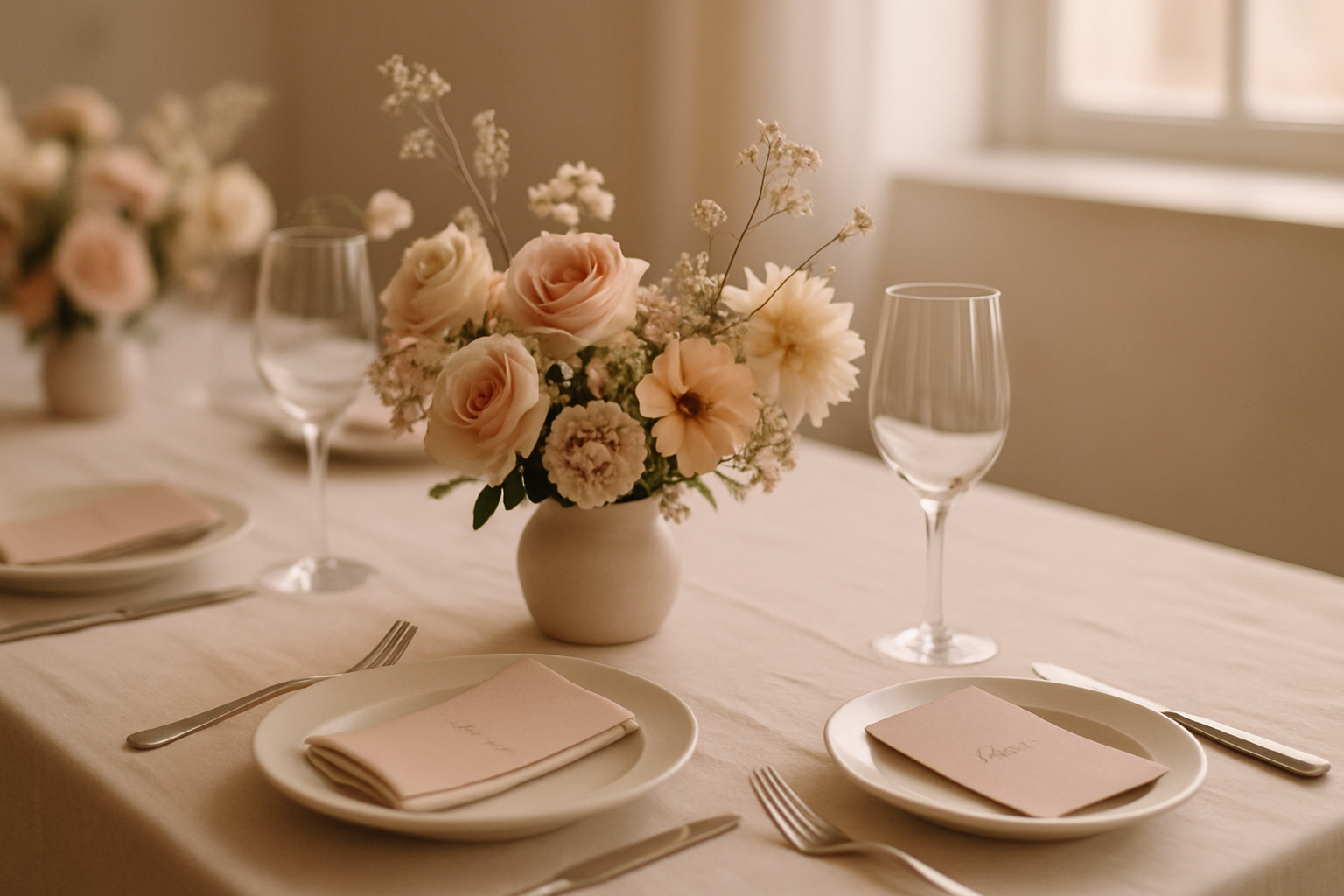
If there is one industry that genuinely runs on Pinterest, it is weddings.
Planning a wedding on Pinterest isn’t a marketing theory — it’s just what people do, almost universally, from the moment they get engaged.
For anyone in this industry the platform isn’t a channel to consider; it’s where your customers are already doing their thinking.
And it has a property no other niche has quite so cleanly: the audience completely replaces itself every year.
Your content doesn’t age out of relevance, the reader does — and a brand-new cohort of newly-engaged people arrives behind them with exactly the same questions.
Content you write once genuinely can serve people for a decade, which makes this an unusually good niche for compounding effort.
The thing to get right is the clock.
Wedding planning happens in stages on a fairly predictable timeline, and matching your content to the stage is most of the strategy.
1
12+ months
venue, dress, budget
2
6–12 months
colours, invites, decor
3
3–6 months
hair, favours, seating
4
Under 3
checklists, panic, DIY
Map content to the planning stage
Twelve months and more out, the searches are big and structural: venues, budgets, dress styles, guest lists, dates.
Six to twelve months, it shifts to colour schemes, invitations, decor themes and suppliers.
Three to six months brings hair, makeup, favours, seating plans and readings.
Under three months, it’s checklists, timelines and increasingly urgent DIY.
A palette pin is exactly that kind of stage-specific content: our wedding colour palette generator builds five colours with a job each and downloads them as a 1000×1500 pin.
Each stage is a different person with a different emotional temperature, and content that ignores that reads as generic.
A couple deciding on a venue doesn’t want table-favour ideas; a couple six weeks out doesn’t want to reconsider their colour scheme.
Write for the stage explicitly — put the timeframe in the title where it fits — and both the ranking and the conversion improve noticeably.
Why this niche compounds so well
In most niches, evergreen content still slowly decays as the topic moves on.
In weddings, the questions are essentially permanent.
“How much does a wedding cost”, “what does a maid of honour do”, “wedding timeline checklist” — these are asked identically every year by an entirely new set of people who have never asked them before.
The practical implication is that early effort pays for an unusually long time, and that annual refreshes are cheap and valuable.
Update prices, refresh the photos, adjust anything that’s dated, and a piece from three years ago is fully competitive again.
That’s a much better return than most niches offer, and it rewards patience specifically.
Search demand
Buying intent
Visual appeal
Evergreen (not fad)
Competition you can beat
Score a niche out of 25 before you commit to it.
If you’re a supplier rather than a blogger
Photographers, planners, florists, venues, stationers — your goal isn’t traffic, it’s enquiries, and that changes what you publish.
Real weddings you’ve worked on are your best asset, because they’re simultaneously portfolio, proof and searchable content.
Tag them by venue, style and season, since that’s exactly how couples search.
Local searchers reached
Clicked your pin
Landed on your site
Enquiry / booked call
The numbers here look terrible next to a media site and matter far more.
A few thousand impressions a month that produce two enquiries is an excellent outcome if your average booking is worth thousands.
Don’t benchmark yourself against blogs — benchmark against your own enquiry count, and remember that local intent means you need far less volume than a national publisher does.
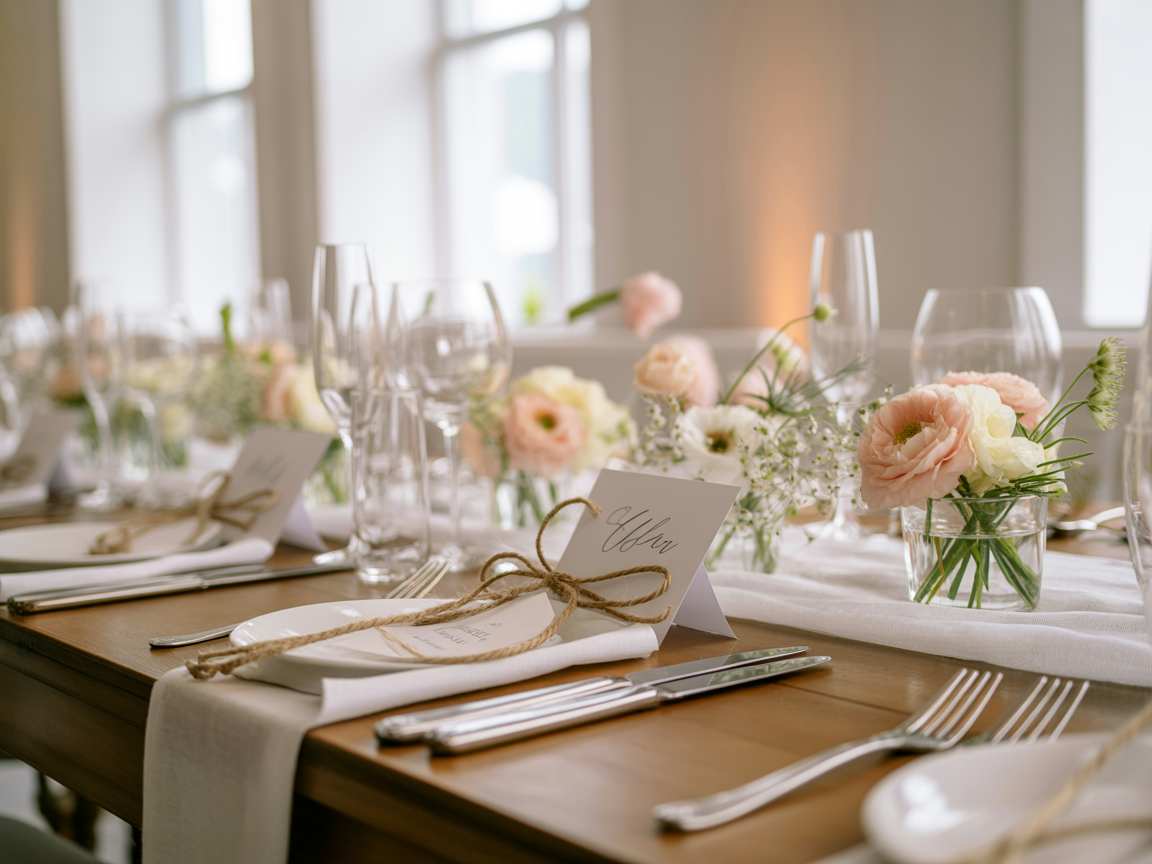
What gets saved
Weddings is a saving niche above all others — people build boards for months, and being in those boards is genuinely valuable even before anyone clicks.
The formats that get collected are visual and specific: colour palettes, seasonal florals, table settings, dress silhouettes by body shape, and anything with a real budget attached.
- Name the season and the style in the headline — “autumn rust and gold table setting” beats “beautiful tablescape”.
- Publish real budgets with real numbers. It’s the most-searched and least-served part of the niche.
- Cover the unglamorous logistics: timelines, seating, who pays for what, thank-you wording.
- For suppliers, name the venue in your titles. Venue-specific searches are low-volume and extremely high-intent.
- Make several pins per real wedding — the florals, the dress, the venue, the stationery, the colour palette.
That last one is where suppliers routinely leave value on the table.
One wedding you photographed is not one pin; it’s a dozen, each targeting a different search, all pointing at the same gallery post.
It’s the cheapest content multiplication available in this industry, and the same logic as how many pins per post.
The DIY and budget corner
A large share of wedding searches come from people trying to spend less, and it’s consistently underserved because the industry’s incentives point the other way.
DIY decor, budget flowers, cheaper alternatives to expensive traditions, and honest “what we skipped and didn’t regret” content all perform strongly and face weak competition.
It also builds enormous goodwill, which matters in a niche driven substantially by recommendation.
Being the account that told someone how to save two thousand pounds is worth more than being the one that showed them a beautiful thing they can’t afford — and it’s a natural bridge into DIY and crafts content if you want to widen later.
Serve the rest of the wedding party
Almost all wedding content is aimed at the couple, which leaves an entire audience under-served.
Bridesmaids, best men, mothers of the bride, and guests all have real questions and search for them — what to wear, what to say, what to buy, what the etiquette is — and they face a fraction of the competition the couple-facing content does.
Guest content in particular is a genuinely large and neglected corner.
“What to wear to an autumn wedding”, “wedding guest dress code explained”, “how much to give as a wedding gift” are high-volume, evergreen and mostly answered badly.
They also bring you an audience who will themselves get engaged eventually, which in a niche that replaces itself annually is a quietly excellent long game.
Engagement season is your January
Roughly a third of proposals happen between late November and Valentine’s Day, and the searching starts within days. That’s your peak — which means your content needs to be ranking by October at the latest. Publishing engagement-season content in January is the same mistake fitness creators make, and it costs just as much.
Do keep an eye on how dated your imagery looks, though.
Wedding styling moves slowly but it does move, and a gallery that visibly belongs to a previous decade quietly stops converting even while it keeps ranking.
Refreshing the photos on your strongest posts every couple of years is a small job with an outsized effect in this particular niche.
Measuring a niche with a long lag
A couple who saves your pin in February might enquire in June, so last-click attribution will badly under-credit Pinterest here.
Look at saves and at whether your pins hold rank for the phrases that matter, rather than expecting an immediate line from pin to booking.
Tracking position over time is the honest way to read this niche, and it’s what PinPinterest is built to show — which phrases you hold, whether you’re climbing, and where the demand actually sits by season.
Related: niche research and Pinterest for photographers.
See which wedding searches you could own
Next: niche research, home decor and DIY and crafts.
#weddings#pinterest niches#lead generation#small business
More in Niches18 other guides in this categorySee all