Pinterest for DIY & Craft Blogs: Where Pinterest Started
Crafts are Pinterest’s native content and the seasonality is severe. Here’s the publishing calendar that wins autumn, and how to make tutorials that get saved for years.
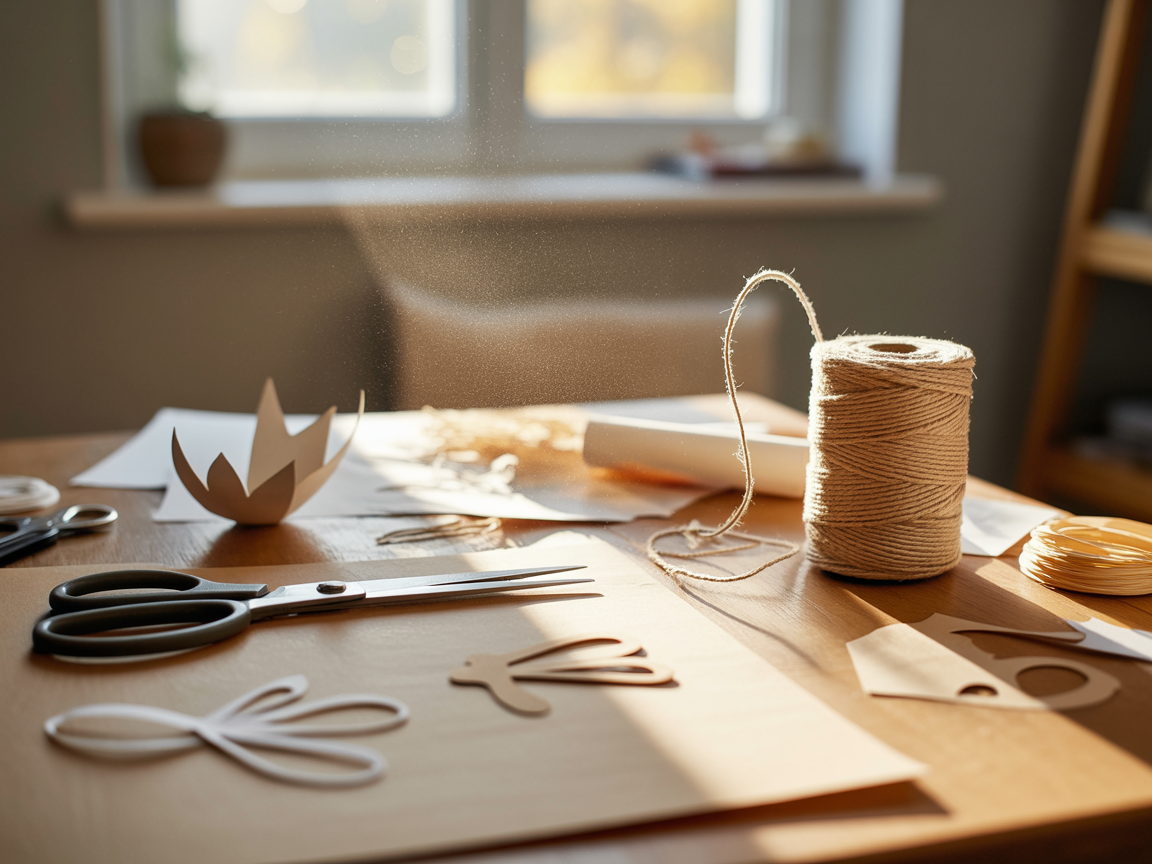
DIY and crafts is the closest thing Pinterest has to native content.
It’s what the platform was built around, what its earliest users came for, and it still performs accordingly — a good tutorial pin can be saved tens of thousands of times and keep working for years.
If your content is genuinely makeable, you’re playing on home turf.
The catch is timing.
Craft demand is more seasonal than almost anything else on the platform, with a huge autumn and pre-Christmas concentration, and content published into the peak is content published too late.
The whole year in this niche is really about being ready by September.
So here’s the craft playbook: the calendar, the tutorial format that gets saved, and the small production details that separate a pin that gets made from one that just gets admired.
J
F
M
A
M
J
J
A
S
O
N
D
Autumn and the run-up to the holidays carry the craft year.
The calendar is the strategy
Work backwards from each occasion by about eight to ten weeks.
Christmas craft content needs to be live and ranking by early October.
Halloween wants late August.
Valentine’s wants early January.
Spring and Easter want February.
If you publish a Christmas wreath tutorial in early December you have missed most of the demand for it, and you’ll be competing with content that has had two months to accumulate saves.
The upside of such predictable seasonality is that you can plan a whole year properly, and unlike most niches you know exactly what you’ll be publishing in eight months’ time.
Build the calendar once, work ahead of it, and the perpetual scramble that characterises this niche simply stops happening.
The general timing principle is in seasonal strategy.
The tutorial format that gets saved
Craft pins are saved with genuine intent to make the thing, which means the pin has to answer two questions instantly: what is it, and can I do it?
A finished-project photo answers the first.
A step visible in the pin — a process shot, a numbered sequence, a materials glimpse — answers the second, and it dramatically improves save rates.
Then be honest about difficulty and time on the pin itself.
“30-minute”, “no sewing”, “beginner” aren’t just keywords, they’re the reassurance that converts a browse into a save.
Overstating simplicity backfires badly here, because people come back and tell you — and a tutorial with a reputation for not working stops being saved.
Search demand
Buying intent
Visual appeal
Evergreen (not fad)
Competition you can beat
Score a niche out of 25 before you commit to it.
Photograph the process, not just the result
The single most common production mistake in this niche is shooting only the finished object.
Process shots — materials laid out, the awkward middle stage, a hand doing the fiddly bit — are what make a tutorial trustworthy and what give you far more pin material from one project.
Shoot as you go, even when it’s inconvenient and especially when the project is going badly.
Those shots make the tutorial genuinely useful, and they give you several distinct pins from one afternoon — a finished shot, a process shot, a materials flat-lay, a before-and-after — each targeting a different phrase, which is the multiplication described in how many pins per post.
For that last one, the free before and after pin maker puts your two shots on one labelled pin in a minute.

Benefit
“Sleep better tonight”
Number
“7 quick fixes”
Question
“Still waking at 3am?”
Mistake
“Stop doing this”
Audience
“For shift workers”
Result
“Before → after”
Beyond the seasonal peaks
Relying purely on the autumn concentration makes for a lumpy year, so it’s worth deliberately building an evergreen base underneath it.
Kids’ activities, organisation projects, home repairs, upcycling, gifts that aren’t tied to a specific date, and skill tutorials — how to actually do the stitch, the technique, the finish — all hold demand year-round.
Skill content is particularly undervalued.
“How to do a blanket stitch” or “how to seal painted wood” gets searched constantly, faces little competition, and positions you as someone who knows the craft rather than someone who assembles projects.
It also feeds naturally into every seasonal project you publish later.
- Put the time and difficulty in the headline — it’s the biggest driver of saves in this niche.
- List materials clearly and early in the post; people check feasibility before they commit.
- Photograph in daylight against a plain background. Craft pins live or die on clarity.
- Republish nothing, but do make fresh pins for last year’s seasonal posts each August.
- Answer the comments. Craft audiences report what didn’t work, and that feedback improves the tutorial.
That fourth point is the single highest-return habit in this niche.
Your seasonal archive is a genuine asset that most craft bloggers under-use — the posts already exist and already rank a bit, so making five new pins for each of last year’s autumn projects is a couple of hours for a whole season’s worth of traffic.
It’s the same argument as reviving old blog posts.
Write the post for someone actually making it
Craft posts get judged more harshly than most, because the reader is standing in a kitchen with glue on their hands trying to follow you.
Vague measurements, a missing step, an unnamed material or a photo that skips the tricky bit all get discovered immediately — and a tutorial that fails in use stops being saved and starts collecting complaints.
So write it as an instruction sheet, not an essay.
Exact materials with sizes, numbered steps, a photo of anything non-obvious, and an honest note where something is fiddly.
Put the story before or after if you want it, but never between the reader and the instructions.
This is the niche where usefulness and ranking are most directly connected, because saves follow trust and trust follows a tutorial that actually worked.
August is your busiest month
Not December. By December the demand is peaking and whatever is ranking has already won. August and September are when the year is actually decided — that’s when you publish, pin and get indexed for autumn and Christmas. Craft bloggers who internalise this have a much calmer and much more profitable Q4.
It’s worth noting how long craft content lives when it’s done properly.
A well-made tutorial for something genuinely useful — a basic technique, a gift that isn’t tied to a trend — can still be among your top pages five years later, being rediscovered every autumn by a new set of people.
Very few niches offer that kind of shelf life, and it rewards making fewer, better tutorials over churning out many thin ones.
Turning craft traffic into a business
Printable patterns and templates convert well because they’re the natural next step from a tutorial.
Supplies affiliate income works when the recommendations are specific and genuinely used.
Ad revenue is solid given the high session times, and selling the finished items themselves is viable for some makers, particularly around the seasonal peaks.
The planning question — which projects to make this year — is answerable with data rather than instinct, and that’s where a tool earns its place.
PinPinterest shows the real demand behind each craft phrase and when it starts rising, so August’s publishing list is a decision rather than a guess.
Related: niche research and Etsy sellers.
Plan your autumn content before autumn
Next: niche research, home decor and weddings.
#diy#crafts#pinterest niches#seasonal
More in Niches18 other guides in this categorySee all