Rich Pins Explained: What They Are and How to Turn Them On
Rich Pins pull live info from your site onto your pins — for free. Here’s what they are, why they help SEO, and how to enable them step by step.
By Mia Bennett · PinPinterest editorial team

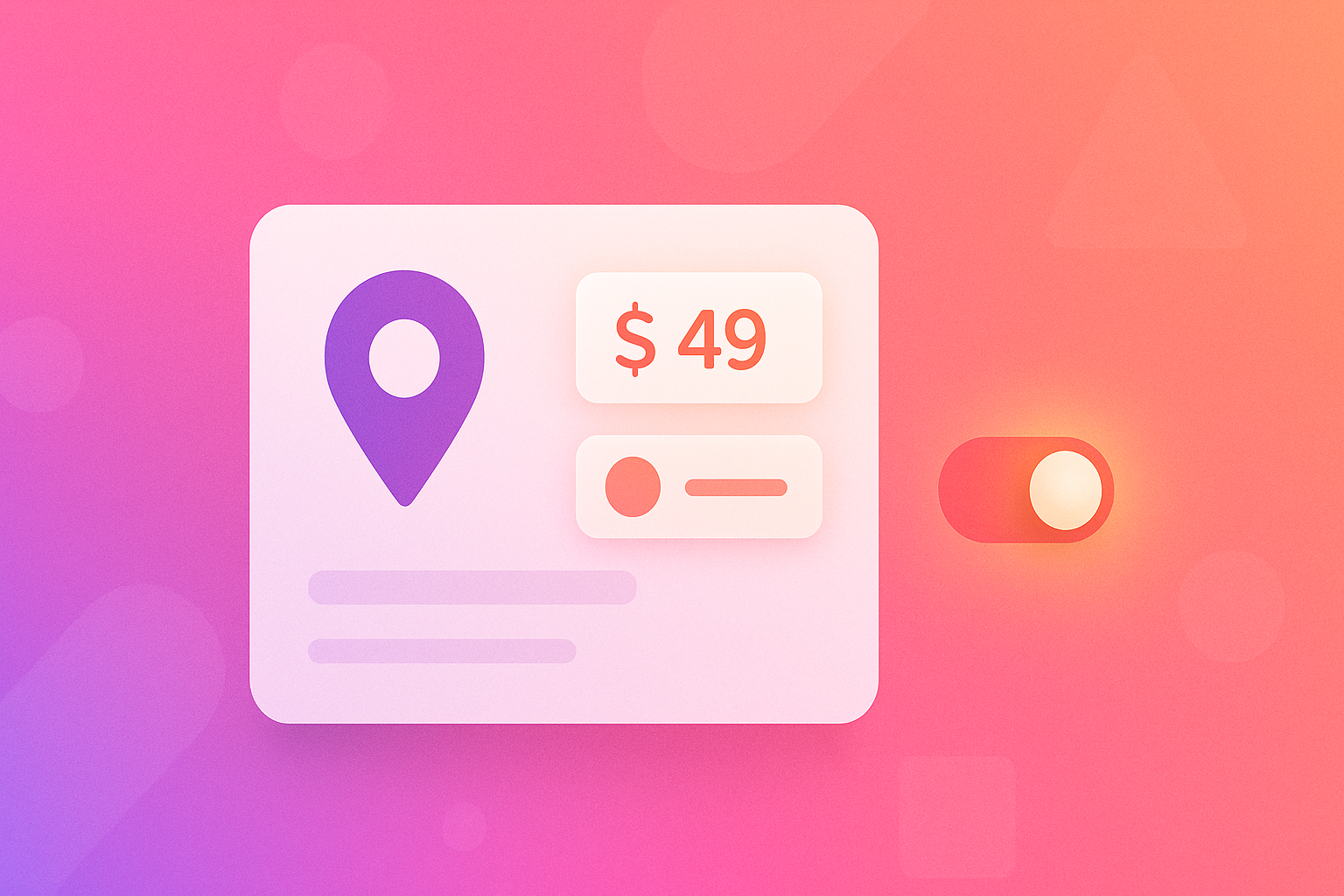
Rich Pins are one of those quiet, free upgrades a lot of people never switch on.
They automatically pull extra detail from your website — like the article title, author, or product price — straight onto your pin.
More context means more trust, and more trust means better distribution.
What Rich Pins actually do
A standard pin is just your image + whatever you typed.
A Rich Pin syncs live metadata from your page, so if you update your post title or price, the pin reflects it.
It also reinforces the topic-relevance signal by tying your pin tightly to a real, claimed page.
Why they help your SEO
- Extra on-pin context = clearer relevance to Pinterest.
- That bold title treatment makes pins look credible and clickable.
- They require a claimed site + valid metadata, which quietly boosts account trust.
How to enable them (the short version)
- Claim your website in Pinterest settings.
- Make sure your pages have valid metadata (most blog/SEO plugins add Open Graph tags automatically).
- Run one of your URLs through Pinterest’s Rich Pin Validator and hit apply.
- Once approved, every pin from that domain becomes rich — no per-pin work.
Set-and-forget
Rich Pins are a one-time setup that upgrades every future pin from your site. Do it once and forget it.
Rich Pins make your pin look trustworthy; your title and description still do the ranking.
Pair them with pin descriptions that rank and the full Pinterest SEO checklist — and let PinPinterest flag any pin that’s being quietly throttled.
The three types of Rich Pins
- Article Rich Pins show the headline, the author and a description from a blog post or article.
- Product Rich Pins show the price and availability from a product page, and update when those change.
- Recipe Rich Pins show details like ingredients, cooking time and servings from a recipe page.
Which type you get depends on the metadata on your page, not on anything you set on each pin.
To see which type your page qualifies for, paste its source into our Rich Pin checker.
How to check they are working
- Open one of your pins on desktop and look for the bold title and extra details from your page.
- Create a new pin from one of your pages and check that the title comes through from the page, not only what you typed.
- If nothing shows, check the page’s metadata and work through the Rich Pins validator guide.
Common reasons Rich Pins do not show
- The site is not claimed, or it is claimed on a different version of the domain, with or without www.
- The page is missing its Open Graph or schema metadata, often after a theme or plugin change.
- A caching or security layer blocks Pinterest from reading the page.
Rich Pins do not replace good pins
They add context and credibility, but a pin still needs a searched keyword, a strong image and a matching destination to rank and get clicked.
Are Rich Pins worth setting up?
Yes, for almost any site that publishes articles, recipes or products.
The setup happens once, it costs nothing, and every future pin from your domain benefits.
The only sites that gain little are ones that rarely pin their own pages.
Quick answers
Do Rich Pins cost anything?
No.
They are free for any site with the right metadata and a claimed domain.
Do I have to do anything for each new pin?
No.
Once Rich Pins work for your domain, pins created from your pages pick up the extra details automatically.
Will Rich Pins make my pins rank higher on their own?
Not on their own.
They add context and trust, but ranking still depends on keywords, freshness, engagement and the destination page.
Make sure none of your pins are being silently throttled
#rich pins#pinterest seo#pin setup
More in SEO8 other guides in this categorySee all Mia Bennett is the pen name the PinPinterest team writes under. Our guides share what we learn building a Pinterest analytics tool — no fluff, just what actually moves traffic.