Pinterest Group Boards in 2026: Worth It, or a Waste of Time?
Group boards were once the Pinterest growth hack. Here’s what they actually do in 2026 — and how to use the good ones without hurting your account.
By Mia Bennett · PinPinterest editorial team

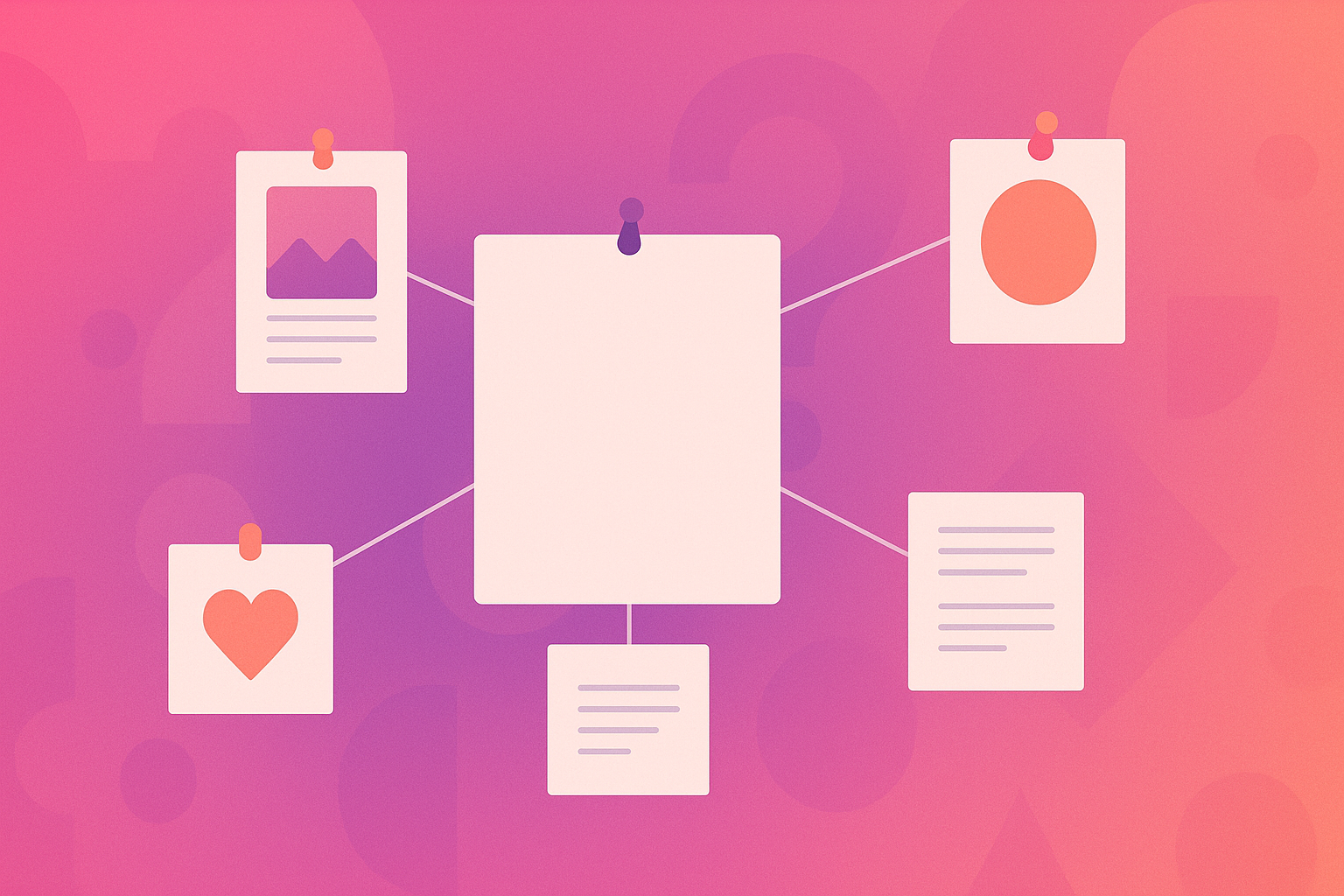
Group boards used to be the Pinterest hack — join a giant one and borrow its reach.
In 2026 the honest answer is: some still help, most don’t, and a few can quietly hurt you.
Let me save you from the bad ones.
What changed
Pinterest leaned hard into being a search engine, so distribution follows relevance and quality, not which board a pin sits on.
A massive, unfocused group board full of off-topic pins sends a muddy signal — the opposite of the tight themes that help, which I cover in board optimisation.
The group boards still worth it
- Tightly themed — every pin is on one clear topic (matches how the algorithm reads relevance).
- Active, real contributors — not a graveyard or a spam dump.
- Reasonable size with engaged followers, not vanity numbers.
- Rules that keep it on-topic and limit daily spam.
Red flag
If a group board accepts anything from anyone, skip it. Being associated with spammy pins and broken links can drag on your own account trust.
How to use them without the risk
Treat a good group board as a small bonus, not a strategy.
Keep publishing fresh, keyword-optimised pins to your own themed boards first — that’s where durable ranking comes from.
Then share your best ones into a relevant, healthy group board.
Honestly?
Your energy compounds far more from consistent fresh pins and the metrics that matter than from chasing group-board invites — and PinPinterest shows which boards and pins actually pull.
Use the good ones, ignore the hype.
How to find group boards worth joining
- Search your main keyword on Pinterest and look at the boards that appear. Group boards show more than one profile picture.
- Read the board description for contributor rules and how to ask for an invite.
- Scroll the board. Are recent pins on-topic, well designed and from different contributors?
- Check when pins were last added. A board with nothing new for months is not helping anyone.
How to ask to join
Most active group boards explain how to request access in their description, often by following the owner and sending a message or filling in a form.
Keep the request short: who you are, what you pin, and a link to your profile.
If the rules say no new contributors, respect that.
And if all you have is the owner’s name, Pinterest’s own steps to get to their profile are in the find someone on Pinterest tool.
Being a good contributor
- Follow the board’s rules on topic and on how many pins a day you can add.
- Share your best, most relevant pins, not everything you publish.
- Save other contributors’ good pins too. Boards stay healthy when members engage with each other.
- Leave boards that drift off-topic or fill up with spam.
Consider starting your own
A small collaborative board with a few trusted creators in your niche can be more useful than a giant open one: a tighter topic, better pins, and you set the rules.
How to tell whether a group board helps
Pin a few pins to the group board and a few comparable ones only to your own boards, then compare saves and outbound clicks after a few weeks.
If the group board pins do not do noticeably better, spend that time making fresh pins instead.
Quick answers
Do group boards still increase reach?
A well-run, tightly themed group board can put your pins in front of that board’s engaged followers.
A huge, unfocused one rarely helps, and its spam reflects badly on everyone pinning there.
Should I leave all my group boards?
No need to leave the good ones.
Leave boards that are off-topic for your account, full of spam, or no longer active.
See which boards and pins actually pull in your niche
#group boards#pinterest boards#pinterest growth
More in Boards15 other guides in this categorySee all Mia Bennett is the pen name the PinPinterest team writes under. Our guides share what we learn building a Pinterest analytics tool — no fluff, just what actually moves traffic.