Pinterest Flagged Your Pins? How to Diagnose and Fix It
Pinterest can quietly flag and throttle your pins with no notification. Here’s how to spot the hidden flags — “AI modified”, removed Visit-Site, no-index — and fix them.
By Mia Bennett · PinPinterest editorial team


Here’s one of the most frustrating things on Pinterest, and almost nobody talks about it: Pinterest can quietly flag your pins and throttle their reach — with zero notification.
You just watch a pin that should be flying sit at nearly nothing, and you have no idea why.
If that’s you, breathe.
It’s usually a specific, fixable flag.
Let me show you how to find and fix them.
Why does this happen invisibly?
Because Pinterest quietly limits pins it doesn’t fully trust before they ever compete — it’s the account-and-quality gate from how the Pinterest algorithm works.
No message, just less distribution.
So the first skill is knowing what to look for.
✓Visit-Site button present
✓Link isn’t redirected away
✕Not labelled “AI modified”
✓Destination is indexable
✓No 404 / dead link
!Link domain looks trusted
Why Pinterest throttles pins silently
The maddening part of all this is the silence.
Pinterest almost never tells you a pin has been limited — there’s no red banner, no email, no “your pin was flagged” notice.
It just quietly shows your pin to fewer people, or none.
So you’re left staring at a great pin doing nothing, inventing theories about the algorithm, when the real cause is a specific flag sitting there invisibly.
Why does Pinterest do this?
Because its job is to protect searchers from bad experiences — broken links, misleading pins, spam, sketchy destinations.
Rather than warn every creator, it simply routes traffic toward pins it trusts and away from ones it doesn’t.
It’s the account-and-quality gate from how the algorithm works, enforced quietly and constantly.
Nothing personal — but very costly if you don’t know it’s happening.
Once you understand that silence is the default, the whole game changes: you stop waiting for a warning that will never come and start proactively checking your best pins’ health.
Knowing what the flags are is the first half of that; spotting them fast is the second.
Let’s do both.
The flags that quietly throttle you
- “AI modified” label — Pinterest tagged the image as AI-altered, which can limit reach. If the label is wrong, the free turn off AI on Pinterest tool has what Pinterest says sets it and the form to appeal it.
- Visit-Site button removed — your pin loses its clickable link, killing outbound traffic.
- No-indexed pin — Pinterest has excluded it from search, so it can’t be found.
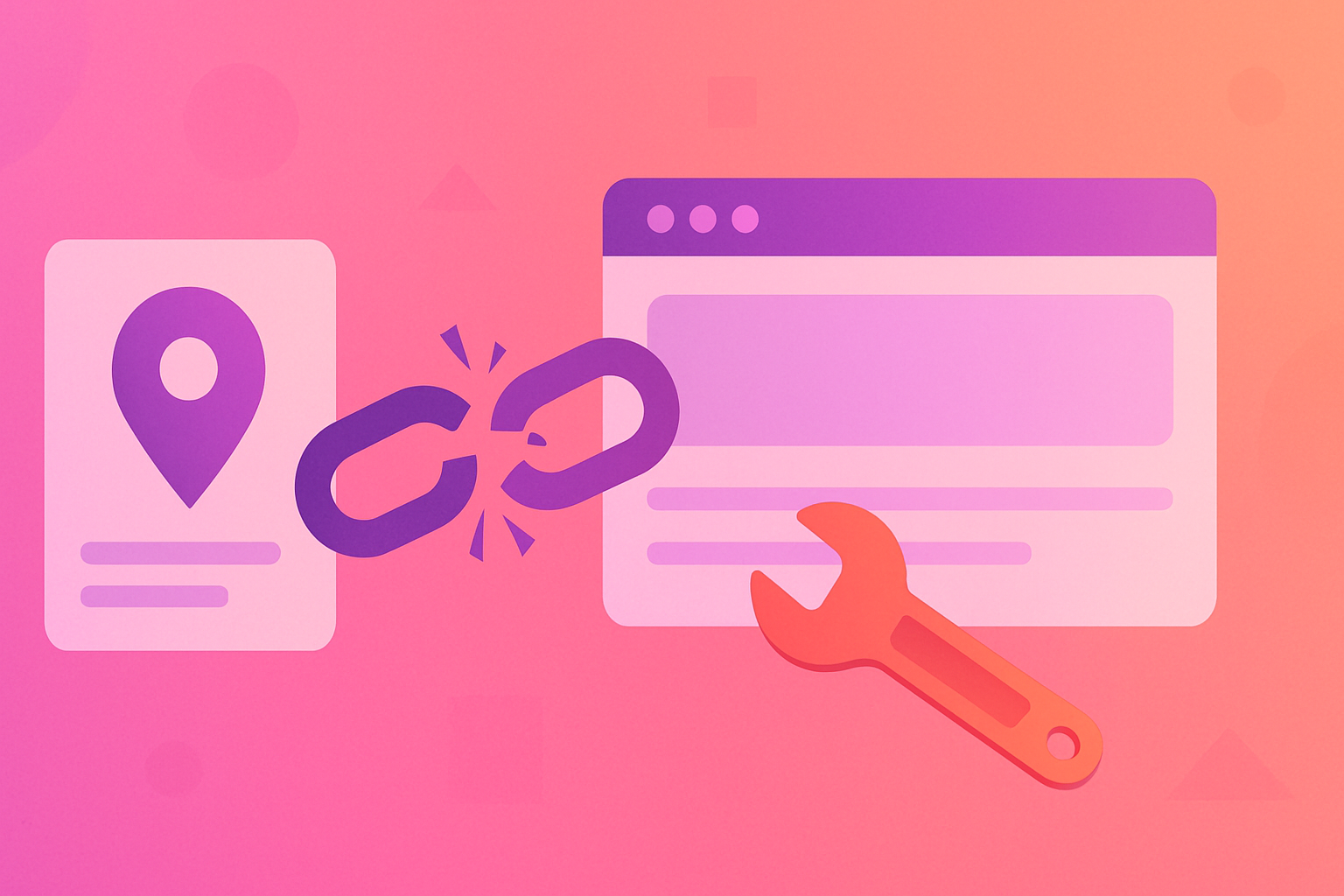
- Redirected or broken link — the destination 404s or bounces somewhere unexpected.
- Canonical pointing to someone else’s account — your pin credits another profile.
- Untrusted link domain — a shady redirect or flagged URL drags on trust.
Here’s a reassuring way to think about all these flags: none of them are a moral judgement on you, and almost none are permanent.
A flag is just Pinterest saying “I’m not confident about this pin yet”, usually over something mechanical like a link or an image label.
That means the fix is mechanical too — sort out the specific issue and the pin can compete again.
So approach diagnosis calmly and methodically rather than panicking; you’re troubleshooting a setting, not appealing a ban.
How to diagnose it, step by step
Start with your best pins — the ones carrying your traffic — because a flag on those does the most damage.
Open each pin and check: is the Visit-Site button there?
Does the link go exactly where it should, with no redirect or 404?
Any odd labels?
Is it still appearing in search for its keyword?
A pin has to clear every gate to earn impressions, so a zero usually means one gate slammed shut.
1
Fresh pin uploaded
2
Quality & health check
3
Keyword relevance match
4
Shown to the searcher
How to fix each flag
- Broken/redirected link: fix the destination URL so it loads cleanly and matches the pin.
- Removed Visit-Site: re-check your claimed site and link; sometimes re-creating the pin restores it.
- “AI modified”: use less obviously AI-altered imagery, or add real photography/text.
- No-index or canonical issues: make sure the destination page is indexable and canonicalised to you.
- Untrusted domain: clean up redirects and point pins at your own healthy, claimed domain.
When it’s the whole account, not one pin
Sometimes reach drops across everything, not just one pin.
That usually means account trust — spammy links, too many flagged pins, inconsistent behaviour.
The fix is patient: claim your site, keep every destination clean and relevant, publish consistently on-topic, and let trust rebuild over weeks.
A brand-new clean account often out-ranks a big messy one, which is oddly reassuring — proof it’s recoverable (rank a new account).
This is the fastest fix in Pinterest
When a great pin gets zero reach, it’s tempting to blame the algorithm or your niche. But most of the time it’s a single hidden flag. Find it, fix it, and reach can come straight back — it’s often the highest-leverage thirty minutes you’ll spend.
How to avoid getting flagged in the first place
Diagnosing flags is useful, but avoiding them is better.
Most flags come down to trust signals, and you control almost all of them.
Claim your website so Pinterest knows your pins genuinely belong to you.
Keep every destination link clean, direct and working — no sketchy redirects, no link shorteners that look spammy, no pages that 404.
Point your pins at your own healthy domain wherever you can, rather than raw affiliate or third-party URLs that Pinterest can’t vouch for.
Then behave like a trustworthy account over time: publish consistently on one clear topic, avoid blasting duplicate pins, and don’t make dozens of edits to live pins.
Every one of those habits raises the quiet account-and-domain quality score that decides whether your pins sail through or get held back.
Prevention is mostly just good hygiene done consistently — the same foundation behind ranking a new account cleanly.
- Claim your site and keep links pointing at your own trusted domain.
- Make sure destinations load fast, don’t 404, and match the pin’s promise.
- Avoid obvious AI-altered visuals that can trigger the “AI modified” label.
- Don’t spam duplicates or endlessly edit live pins.
- Stay on-topic and consistent so your account reads as reliable.
How long does recovery take?
Good news: fixing a single flagged pin often restores its reach fairly quickly once Pinterest re-evaluates it — sometimes within days.
A broken link you repair, a Visit-Site button you restore, an indexable destination you fix — these are usually fast wins.
The pin was being held at a gate; open the gate and it can compete again.
Account-wide trust issues take longer — think weeks of clean, consistent behaviour to rebuild — but they absolutely do recover.
The key is not to panic-delete everything or thrash your account with sudden changes, which only muddies the signal further.
Fix the specific problem, keep publishing clean fresh pins, and give Pinterest time to notice you’re trustworthy again.
If the drop was broad rather than pin-specific, walk through why your traffic dropped and how to recover.
Silence is not the same as “nothing’s wrong”
Because Pinterest never notifies you about a flag, no news is genuinely not good news. The only way to know is to check — which is exactly why proactive pin-health monitoring beats waiting for the traffic to vanish and wondering why.
Catch the next flag before it costs you
The real problem is that native analytics doesn’t warn you — you only notice when the traffic’s already gone.
So the winning move is monitoring pin health continuously, not reactively.
This is genuinely why PinPinterest exists — it watches for these exact flags (AI-modified, removed Visit-Site, no-index, broken or redirected links, dropped pins) and alerts you on day one instead of day thirty.
If reach fell off a cliff more broadly, pair this with why your Pinterest traffic dropped and the pin-health metrics that matter.
And if pins simply never got going, check why your pins aren’t getting impressions.
Get alerted the day a pin gets flagged or dropped
#flagged pins#pin health#pinterest throttling#troubleshooting
More in Troubleshooting10 other guides in this categorySee all Mia Bennett is the pen name the PinPinterest team writes under. Our guides share what we learn building a Pinterest analytics tool — no fluff, just what actually moves traffic.